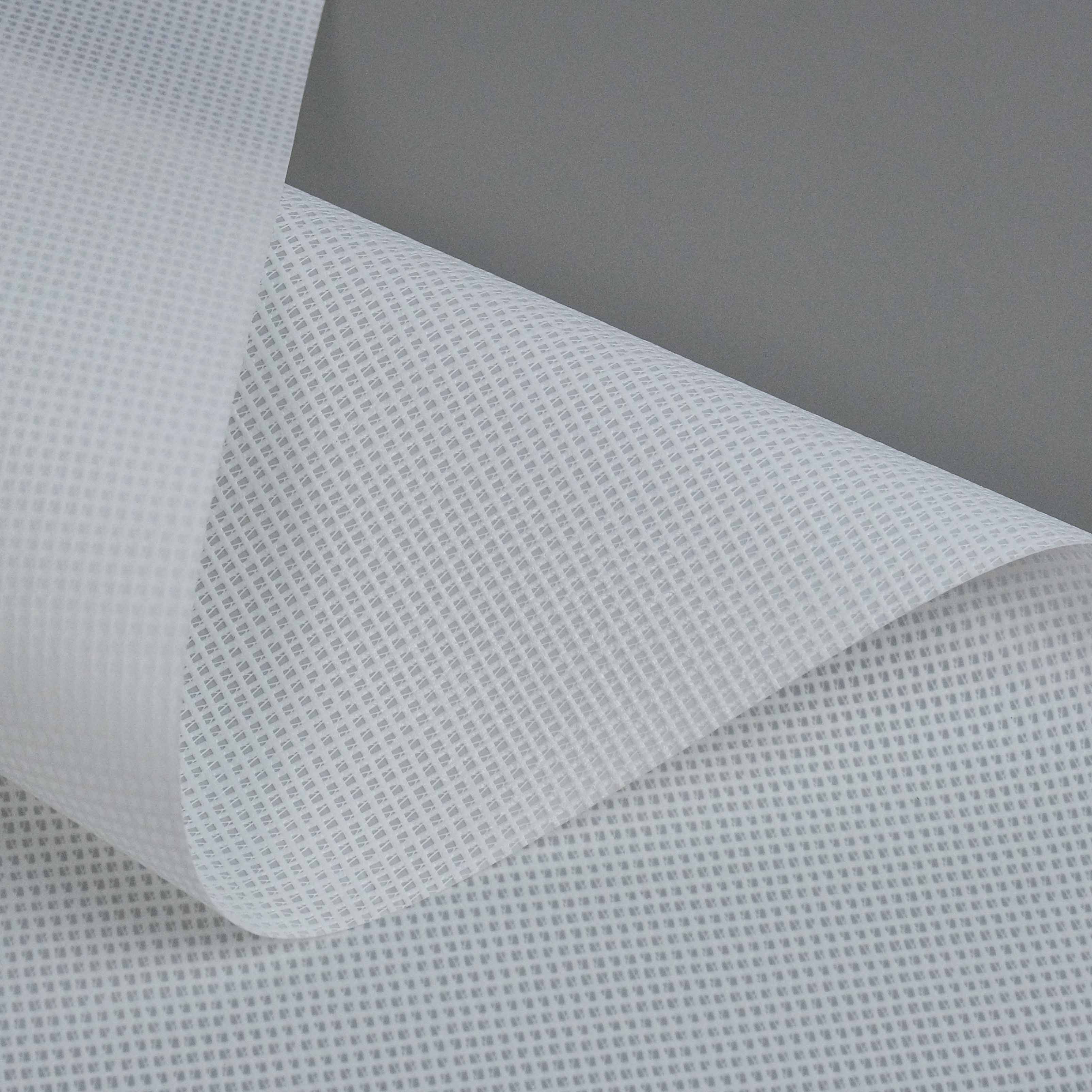
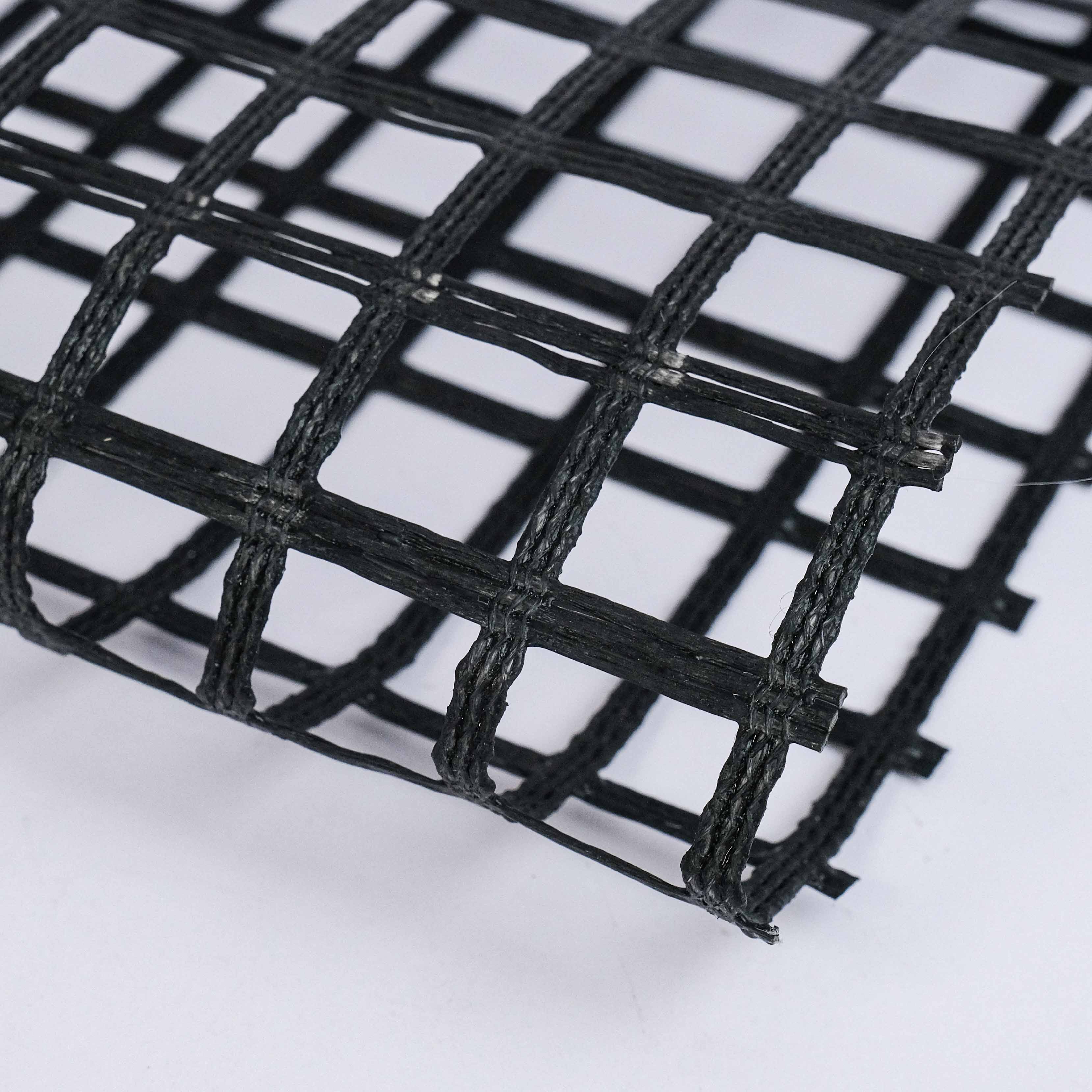
**Enhancing Infrastructure Durability: The Growing Role of Geotextile Fabric Under Gravel**In recent years, the construction and landscaping industries have increasingly turned to innovative materials to improve project longevity and performance. One such material gaining prominence is geotextile fabric, particularly when used under gravel surfaces. This advancement not only addresses common challenges associated with traditional gravel layering but also contributes significantly to sustainable construction practices.### Understanding Geotextile FabricGeotextile fabric is a permeable textile material made from synthetic fibers, designed to separate, filter, reinforce, protect, or drain soil. When placed under gravel, it acts as a stabilizing layer that enhances the integrity of the surface above. This functionality is critical in various applications, such as driveways, walkways, roadbeds, and landscaping projects where gravel serves as the top layer.### The Benefits of Using Geotextile Fabric Under Gravel1. **Prevents Gravel Migration:** One major issue with gravel surfaces is the gradual sinking and shifting of gravel into the soil below, leading to uneven surfaces. Geotextile fabric acts as a barrier, preventing the upward migration of soil and the downward movement of gravel. This keeps the gravel layer intact and stable over time.2. **Improves Drainage:** The fabric allows water to pass through while preventing soil from mixing with gravel. This capability improves water drainage, reducing the likelihood of water pooling and soil erosion, which can damage the integrity of the gravel surface.3. **Enhances Load Distribution:** For driveways and roadbeds, geotextile fabric distributes the load more evenly, reducing the risk of potholes and ruts forming under heavy traffic or adverse weather conditions.4. **Extends Surface Lifespan:** With better stabilization and drainage, gravel surfaces last longer and require less frequent maintenance or replacement, making it a cost-effective solution over time.5. **Environmentally Friendly:** Utilizing geotextile fabric aligns with sustainable construction efforts by minimizing the need for frequent repairs and replacements, thus reducing waste and the use of new raw materials.### Industry Adoption and Expert InsightsConstruction professionals and landscape designers report significant improvements after incorporating geotextile fabric beneath gravel. John Peterson, a civil engineer with extensive experience in infrastructure projects, notes, “The integration of geotextile fabric has become a game-changer for stabilizing gravel surfaces. Projects once plagued by gravel dispersal and soil pooling now maintain their structural integrity for longer periods.”Similarly, landscaping expert Maria Gomez highlights the environmental benefits: “By improving drainage and preventing erosion, geotextile fabric supports healthier soil ecosystems and reduces the environmental footprint of construction projects.”### Company Introduction: Providing Excellence in Geotextile Solutions{} is a leader in the manufacturing and supply of high-quality geotextile fabrics tailored to diverse applications. With a commitment to innovation, environmental stewardship, and customer satisfaction, the company has positioned itself at the forefront of the geosynthetics industry.Offering a broad range of geotextile products, {} ensures that contractors and engineers receive materials engineered for performance and durability. The company’s fabrics undergo rigorous testing to meet industry standards and withstand challenging environmental conditions.Customer-centric service and technical support further distinguish {} in the market. Their team collaborates closely with clients to identify the best product solutions, optimizing project outcomes across sectors including civil engineering, landscaping, road construction, and erosion control.### Practical Applications Across Sectors- **Road Construction:** Geotextile fabric under gravel improves roadbed stabilization, especially in regions with weak soil conditions. This enhancement leads to longer-lasting roads and safer transportation routes.- **Landscaping:** Garden pathways and recreational areas benefit from improved aesthetics and reduced maintenance due to the fabric’s ability to keep gravel evenly distributed.- **Erosion Control:** Installing geotextile fabric along slopes and embankments helps prevent soil erosion, protecting landscapes and infrastructure alike.- **Drainage Systems:** The fabric facilitates effective water management by allowing fluid passage while maintaining soil and aggregate separation, critical in stormwater and drainage projects.### Future OutlookAs infrastructural demands grow and sustainability becomes paramount, the role of geotextile fabric under gravel is set to expand. Advances in textile manufacturing are driving the development of even more resilient and eco-friendly fabrics. Additionally, increased awareness among architects, engineers, and contractors promises wider adoption.{} continues to invest in research and development, striving to deliver next-generation geotextile solutions that align with evolving industry standards and environmental regulations. Their commitment ensures that projects not only meet performance goals but also contribute positively to the surrounding environment.### ConclusionThe integration of geotextile fabric under gravel marks a decisive step towards more durable, stable, and sustainable construction practices. By preventing gravel migration, improving drainage, and extending surface lifespan, this innovative material addresses longstanding challenges in gravel-based projects.Supported by industry-leading providers such as {}, geotextile fabric solutions are accessible to construction and landscaping professionals aiming for superior project outcomes. As technology and knowledge progress, geotextile fabric is poised to become a standard component in infrastructure development, paving the way for resilient and environmentally responsible growth.
Read More